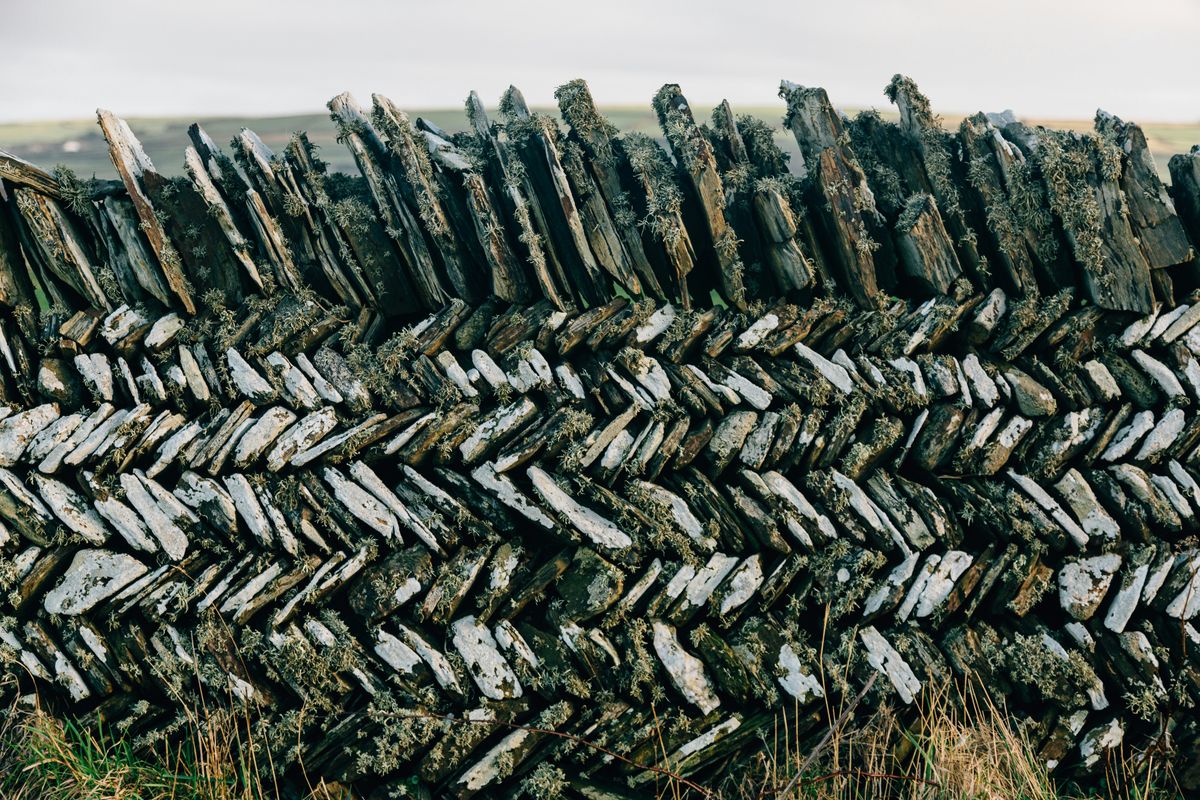
Dry Stone Walling
Dry stone walling uses no mortar - structures rely entirely on careful stone selection and placement for their extraordinary strength and longevity.
About Dry Stone Walling
Dry stone walling uses no mortar - structures rely entirely on careful stone selection and placement for their extraordinary strength and longevity. From the limestone walls of the Yorkshire Dales to the granite boundaries of Dartmoor, every regional tradition reflects its local landscape. UNESCO inscribed dry stone walling on its Intangible Cultural Heritage list in 2018. Over 100,000 miles of dry stone walls exist in the UK, many in need of skilled repair. The Dry Stone Walling Association (DSWA) runs a four-level certification scheme that is the recognised benchmark for professional wallers.
Typical earnings
Employed: £25,000–£35,000 | Self-employed / Master Craftsman: considerably more on heritage and estate contracts
Practitioners in this craft
Practitioner interviews are in production. At least one practitioner featured in each craft will be a woman working in that trade. If you know someone still practising this craft, or would like to be featured, get in touch.
office@craftgate.orgCareer pathway
DSWA Initial Certificate - Gap Waller
Rebuilding gaps and failed sections in existing walls
Stone selection, wall structure, batter and coping basics
DSWA Intermediate Certificate
Constructing a complete free-standing wall from scratch
Batter frame use, through-stone placement, cheekend construction
DSWA Advanced Certificate
Retaining walls, curved walls, walls on sloping ground
Adapting to challenging conditions, quality and finish
DSWA Master Craftsman
Full range of features - steps, stiles, pillars, arches
Complete technical mastery, contract management, stone sourcing
Walling Instructor / Consultant
Teaching, advising landowners and estates, supporting conservation programmes
Instruction skills, condition assessment, landscape and heritage context
Getting qualified
- ✓DSWA Craft Certification Scheme - four levels from Initial to Master Craftsman
- ✓Introductory courses through DSWA-approved instructors (no prior experience required)
- ✓Level 3 NVQ Diploma in Heritage Skills - Dry Stone
Find a placement
Ready to try Dry Stone Walling for yourself? Browse available placements with verified hosts.
View Dry Stone Walling placements← All craftsReady to learn?
Start the Dry Stone Walling Foundation Pathway - 6 modules covering conservation philosophy to career qualifications.
Start Learning →