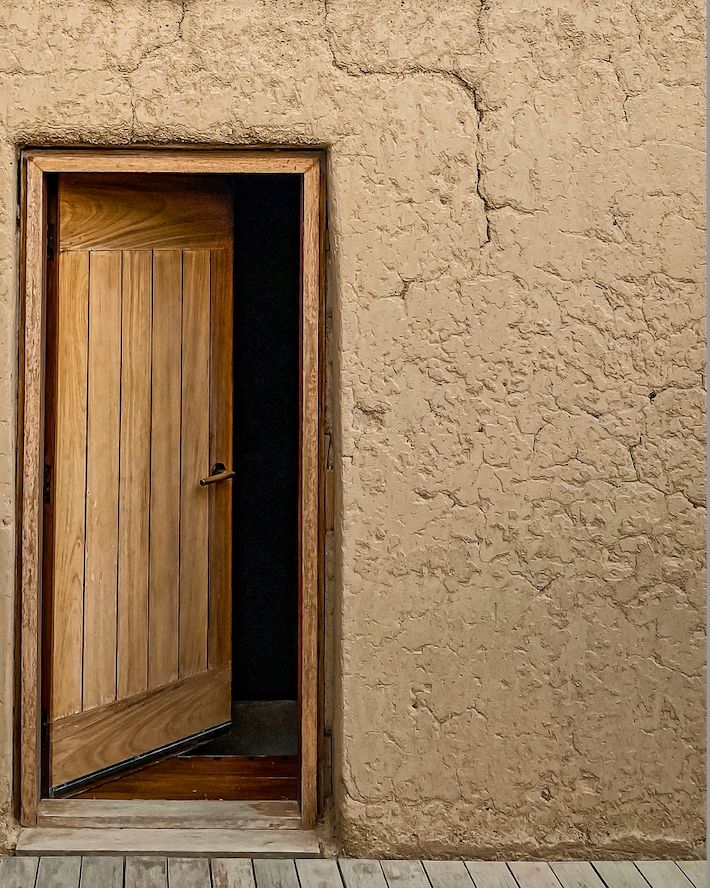
Cob Building
Cob - a mixture of subsoil, straw and water - has sheltered people for thousands of years.
About Cob Building
Cob - a mixture of subsoil, straw and water - has sheltered people for thousands of years. UK cob buildings are concentrated in Devon, Cornwall, Cumbria and the East of England, where thick-walled thatched cottages are almost entirely cob construction. Many are listed buildings; all need skilled people who understand the material. Heritage Crafts classifies cob as currently viable but notes that only a handful of practitioners remain capable of passing on the full range of skills. Cob is also one of the most sustainable building materials - fully biodegradable, zero embodied carbon, locally sourced, naturally insulating.
Note: Cob cannot be laid in cold or wet conditions. Placements are best offered May–September.
Typical earnings
Most practitioners are sole traders or small contractors. Experienced cob repair specialists earn comparable rates to other heritage craft specialists.
Practitioners in this craft
Practitioner interviews are in production. At least one practitioner featured in each craft will be a woman working in that trade. If you know someone still practising this craft, or would like to be featured, get in touch.
office@craftgate.orgCareer pathway
Cob Labourer / Learner
Mixing cob, preparing subsoil and straw, assisting experienced builders
Physical stamina, material consistency, site safety
Cob Builder
Constructing cob walls, forming openings, working to regional techniques
Mix preparation, coursing technique, seasonal constraints
Cob Repair Specialist
Diagnosing and repairing historic cob - matching materials, addressing moisture damage
Cob pathology, lime compatibility, working on listed structures
Cob and Earth Builder
New commissions - garden studios, extensions, small buildings
Design understanding, foundation and drainage, client management
Master Cob Craftsperson / Trainer
Complex conservation repairs, teaching courses, advising heritage bodies
Full material mastery, condition assessment, report writing
Getting qualified
- ✓Hands-on training with an experienced practitioner
- ✓Edwards Cob Building (Lyme Regis) four-day intensive courses
- ✓Earth Building UK and Ireland (EBUKI) professional body
- ✓Level 3 NVQ Diploma in Heritage Skills - Earth Builder
Find a placement
Ready to try Cob Building for yourself? Browse available placements with verified hosts.
View Cob Building placements← All craftsReady to learn?
Start the Cob Building Foundation Pathway - 6 modules covering conservation philosophy to career qualifications.
Start Learning →